AI Images for Marketing
How marketing teams use AI images for ads, landing pages, and campaigns while keeping brand consistency and checking usage rights.
On this page
AI images give marketing teams a fast way to make ad creative, landing page visuals, and campaign art without a photo shoot for every idea. The trick is keeping the look on brand and checking that you have the rights to use what you make.
Quick answer
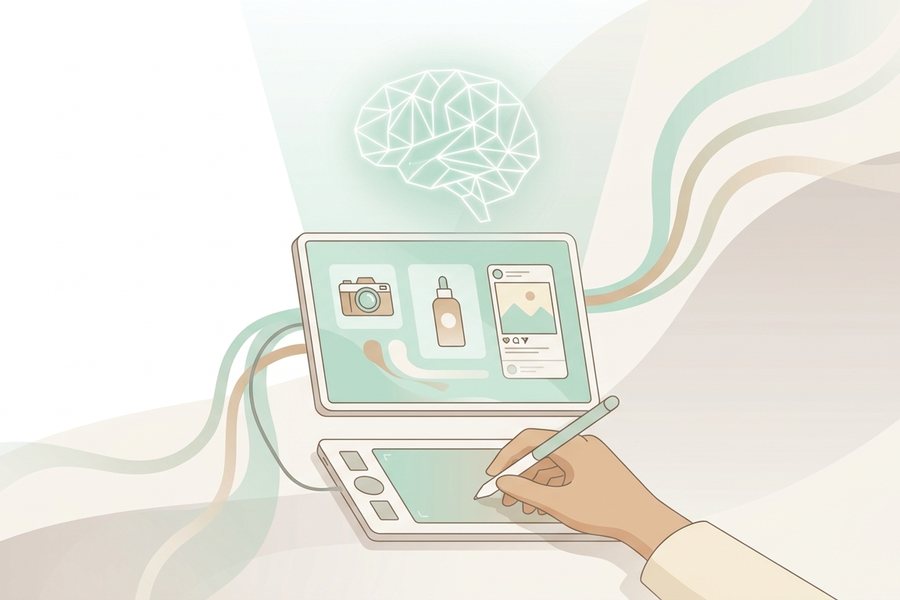
Marketing teams use AI images to fill ads, landing pages, blog headers, and campaign assets quickly and cheaply. To do it well, lock in a brand style, write clear prompts, and review every image for accuracy and usage rights before it goes live. A simple, repeatable workflow keeps the output consistent across a whole campaign.
Where AI images fit in a campaign
AI images shine when you need many variations of a concept or when a stock photo just will not match your idea. They work well for backgrounds, abstract concepts, mockups, and mood pieces. They are less reliable for exact product details, real people, or anything that has to be perfectly accurate.
A good rule is to use AI for the parts of a campaign where flexibility matters more than literal precision. For social content, our notes on AI images for social media show how to size and batch those visuals. When the focus is your actual catalog, AI product photos cover the cleaner, more controlled shots a shop page needs.
Keeping your brand consistent
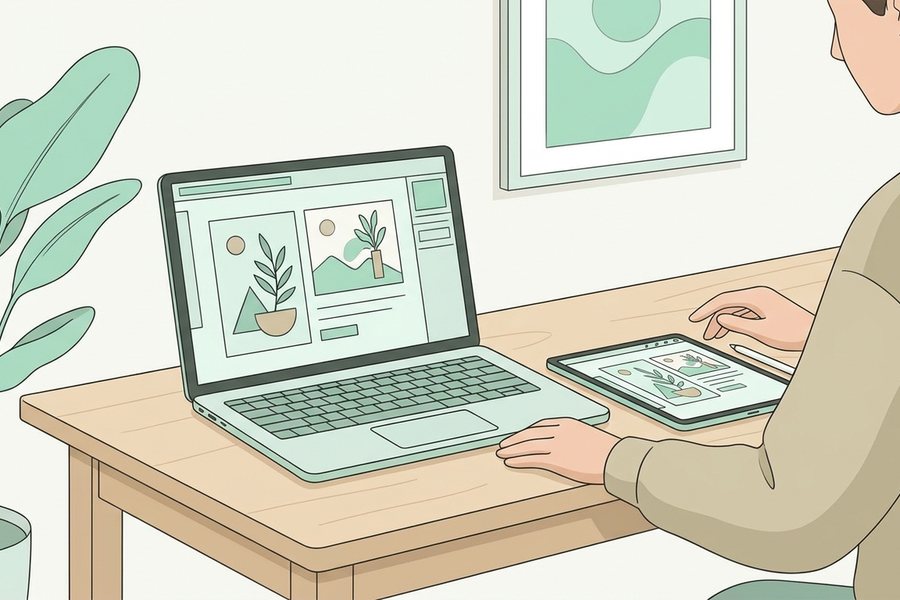
The biggest risk with AI images is that every piece looks like it came from a different brand. You fix this by writing a short style recipe and reusing it. Decide on your color mood, lighting, and overall feel, then add those same words to every prompt.
Strong prompts are the foundation here. Spending time on writing better prompts pays off fast, because a clear, repeatable prompt is what makes ten images feel like one set instead of ten random pictures.
| Brand element | What to set | Example wording |
|---|---|---|
| Color mood | Your palette feel | warm earth tones, muted |
| Lighting | A single light style | soft natural window light |
| Composition | Framing habit | clean, lots of negative space |
| Texture | Surface feel | matte, no harsh gloss |
| Mood | Emotional tone | calm, confident, premium |
Save your favorite recipe as a template. When a new campaign starts, you adjust the subject while the brand words stay the same.
A simple marketing workflow
A repeatable process keeps quality high when you are making many images. Here is a workflow most teams can follow without extra tools.
First, write a creative brief with the goal, the audience, and the message. Second, draft three to five prompts that fit your brand recipe. Third, generate a small batch and pick the strongest options. Fourth, edit captions, crops, and text overlays outside the generator. Fifth, run a quick rights and accuracy check before publishing. You can speed up the first step with an AI image generator that lets you test prompts quickly and compare results side by side.
Checking rights and accuracy
Before any AI image goes into a paid ad or a landing page, confirm two things. First, that you are allowed to use it commercially. Second, that it does not misrepresent your product or include anything that looks like a real, identifiable person without permission. Our overview of whether can you use AI images commercially walks through the basics of licenses and common limits.
Keep a short record of which images you generated and when. That paper trail helps if anyone ever asks where a visual came from.
Checklist
- Write a one-line brief with the goal, audience, and message.
- Set a brand style recipe and reuse it in every prompt.
- Generate a small batch, then pick the strongest two or three.
- Edit text, crops, and logos outside the image generator.
- Check that the image is accurate and not misleading.
- Confirm your commercial usage rights before publishing.
- Save the prompt and date for your records.
Example prompts
The first prompt is a clean landing page hero, and the second is a softer background for an ad. Swap in your brand recipe and subject.
A bright modern workspace with a laptop and coffee, soft natural
window light, warm earth tones, clean composition with negative
space on the right for headline text, calm and premium mood,
wide banner crop for a landing page hero
An abstract gradient background in muted teal and sand, soft glow,
no text, plenty of empty space for a product cutout and a short
call to action, calm premium feel, square crop for a social ad
FAQ
Are AI images good enough for paid ads?
Yes, for backgrounds, concepts, and mood pieces they often look great in ads. For exact product shots, use real or tightly controlled images so customers see what they will actually receive.
How do I stop AI images from looking off brand?
Write a short style recipe with your colors, lighting, and mood, then paste those same words into every prompt. Reusing one template across a campaign is what keeps the set feeling unified.
Do I need to credit AI images in marketing?
Most platforms do not require a credit, but rules vary by region and channel. Check the terms of the tool you used and any ad platform policies before you publish.
How many images should I generate per concept?
Start with a small batch of five to ten, then keep the best two or three. Generating a few options gives you choice without burying you in files to sort through.
This guide is general information to help you create better images. For rights and commercial questions, read the copyright and image rights notes.