
The img.now image model
img.now runs on a single, high-fidelity AI image model - No model menus to wade through. Here is what it does, and its honest limits.
Instead of asking you to choose between a dozen models, img.now uses one carefully-tuned, regularly-updated image model for every generation. That keeps your results consistent and means you never have to guess which model fits the job. The image tools - Upscaling, enhancement, and background removal - Run on top of that, processed on our servers.
What the model powers

Image generation models
The model categories that turn prompts into images.
Details
Upscaling models
How enlargement models add detail to small images.
DetailsOne model vs. a menu of models
| img.now (one model) | Typical model-menu tool | |
|---|---|---|
| Choosing a model | Never - We tune it for you | You guess every time |
| Consistency | Same look across projects | Varies by model picked |
| Learning curve | Write a prompt and go | Learn each model's quirks |
| Updates | We upgrade it over time | Models come and go |
One model, every style
The same engine paints a photoreal product shot, a watercolour illustration, a 3D render or a flat logo - You steer the look entirely with your prompt. There is no model to pick and no settings to learn: describe the style you want and the model adapts to it.
- Photographic, cinematic and editorial looks
- Illustration, watercolour, oil and flat vector
- 3D renders, product shots and logo concepts
- Text-to-image and image-to-image from one engine
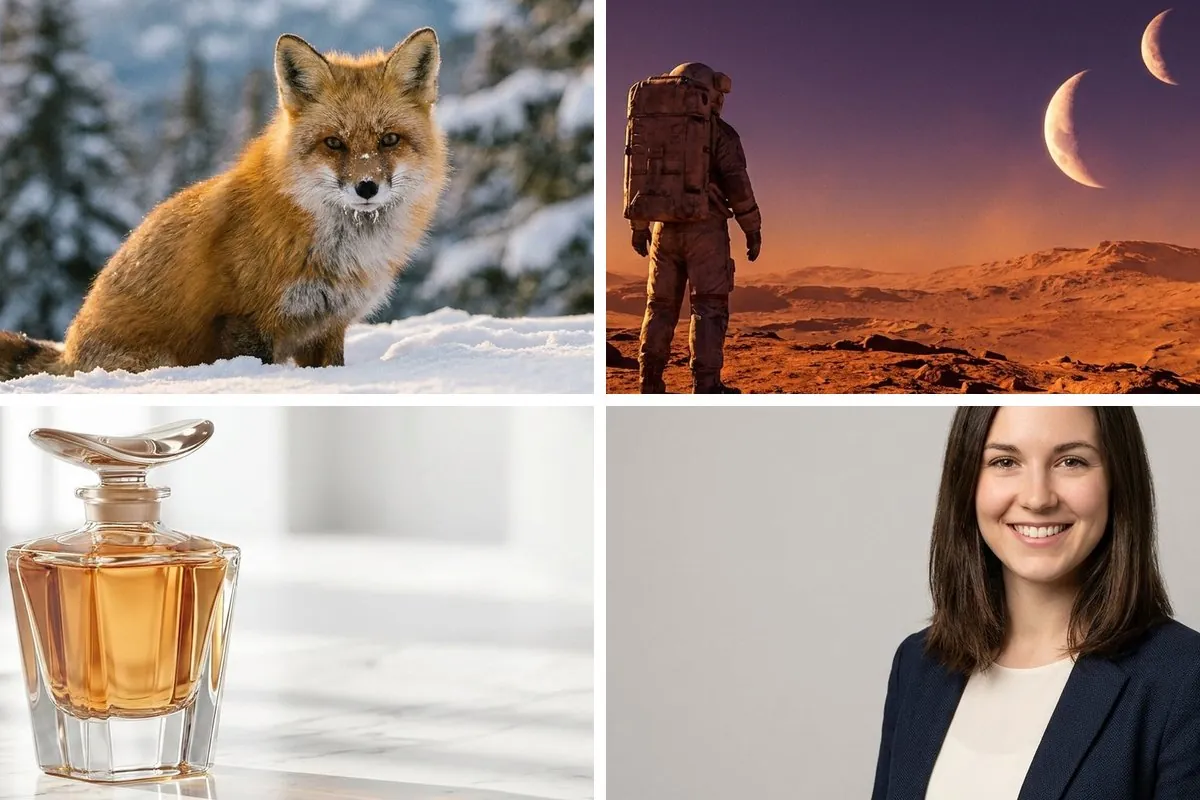
What one model handles well
Across the most common jobs, this is roughly how reliably the model nails the brief on the first generation. Scenes, products and portraits are its strengths; readable text and exact object counts are where a clearer prompt or a quick edit helps most - And why img.now keeps the model tuned and updated over time.
The editing tools - upscaling, enhancement and background removal - Run on top of the model to polish any result.
Known limitations
AI image models are powerful but not perfect. They can struggle with small text, exact counts of objects, hands and fine anatomy, and precise brand details. When results miss, a clearer prompt or a quick edit usually fixes it. To learn why, read how AI image generators work.
Where results may fail
Expect more misses with very long prompts, conflicting styles, or requests for readable logos and dense text. Breaking a prompt into clear parts, as shown in the prompt structure guide, gives steadier results.
Questions about the models
Which model powers img.now?
Can I choose a different model?
Why do results sometimes miss the prompt?
Does choosing a better model cost more credits?
See the model in action
The best way to understand the model is to make something with it.
Start creating