How to Write AI Image Prompts
A clear formula for writing AI image prompts that cover subject, setting, style, lighting, camera, and your output goal.
On this page
Writing a good AI image prompt is less about clever words and more about clear details. When you tell the model what to draw, where it sits, and how it should look, you get results that match the picture in your head.
Quick answer
To write an AI image prompt, name the subject first, then add the setting, style, lighting, camera details, and your output goal. Move from the most important detail to the least, and keep each part short and concrete. The model fills in what you leave out, so the more you describe, the closer you land on what you wanted.
How prompt detail improves results
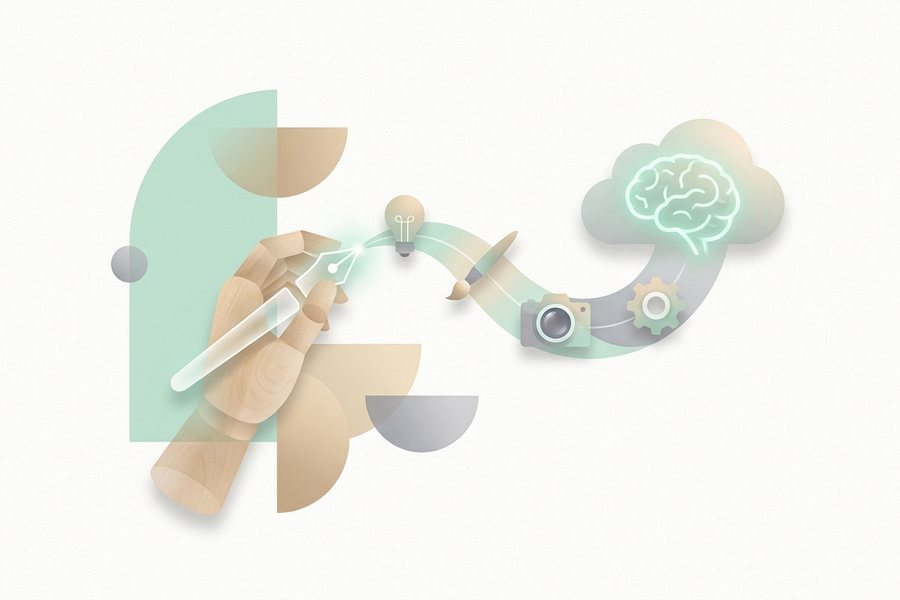
Each detail you add gives the model more to work with, so results land closer to what you pictured.
The core prompt formula
Think of a prompt as six small parts stacked in order. You do not need every part for every image, but covering them gives the model fewer blanks to guess at.
- Subject: the main thing in the frame, such as "a red ceramic coffee mug."
- Setting: where it sits, such as "on a wooden kitchen table."
- Style: the look you want, such as "soft editorial photo" or "flat vector art."
- Lighting: the mood of the light, such as "warm morning light from a window."
- Camera: the lens or angle feel, such as "shot at eye level with a shallow depth of field."
- Output goal: the job the image does, such as "clean image for a product page."
Reading about the AI image prompt structure in more depth helps once you are comfortable with the basics. For now, the order above is enough to get strong results.

Why order and detail matter
Most models weigh the front of your prompt more heavily than the end. If your subject is buried after a long style note, the model may drift. Lead with the subject, then layer detail.
Detail also sets a ceiling on quality. A prompt like "a dog" can become almost anything, while "a golden retriever puppy sitting on green grass, soft afternoon light, eye level" gives the model a clear target. Add detail until the description matches your mental image, then stop. Too many competing words can pull the result in odd directions.
Prompt structure table
This table breaks the formula into parts with a sample value and the reason each part helps.
| Part | Example value | Why it helps |
|---|---|---|
| Subject | Red leather handbag | Sets the main focus |
| Setting | On a marble shelf | Grounds the object in a place |
| Style | Clean studio photo | Picks the visual look |
| Lighting | Soft diffused light | Controls mood and shadows |
| Camera | 50mm, slight top angle | Shapes framing and depth |
| Output goal | Hero image for a shop | Guides crop and tone |
Cleaning up unwanted results
Sometimes the model adds things you did not ask for, like extra clutter or odd text. You can steer it away using negative prompts, which list what to exclude. Keep that list short so you do not box in the model too tightly.
For specific jobs, a tuned starting point saves time. If you sell things online, our notes on product photo prompts show how to phrase clean catalog shots. You can also draft an image fast with the text to image tool, then refine the wording from there.
Checklist
- Name the subject first and keep it specific.
- Add a setting so the subject has a place to live.
- Pick one clear style instead of mixing three.
- Describe the lighting in plain words.
- Add a camera or angle note when framing matters.
- State the output goal so the crop and tone fit the job.
- Read your prompt out loud and cut any word that does not add a detail.
Example prompts
Here are two prompts built from the formula. The first is a product shot, the second is a scene.
A red ceramic coffee mug, on a light wooden kitchen table,
clean editorial photo style, warm morning light from a side window,
shot at eye level with a shallow depth of field,
crisp and simple image for a product page
A golden retriever puppy sitting on green grass in a backyard,
soft natural photo style, gentle afternoon light, low eye-level angle,
shallow background blur, friendly warm image for a blog header
If you want a faster start, our prompt generator can turn a short idea into a full structured prompt that you can then edit by hand.
FAQ
How long should an AI image prompt be?
Long enough to cover the subject, setting, style, and lighting, which is often one or two sentences. Adding detail past that point gives smaller and smaller gains, so stop when the description matches your idea.
Do I need every part of the formula?
No. The subject is required, and setting plus style cover most needs. Add lighting, camera, and output goal only when those details change the result you want.
Why does the same prompt give different images?
Most models add some randomness on each run, so two images from one prompt will differ. Run the prompt a few times and pick the best, or lock a seed if your tool offers one.
Should I write in full sentences or keywords?
Both work. Full sentences read naturally and keep word order clear, while comma-separated keywords give you tight control over each detail. Pick the style you find easier to edit.
This guide is general information to help you create better images. For rights and commercial questions, read the copyright and image rights notes.