Are AI Generated Images Copyrighted?
AI generated images may or may not be copyrighted, and the answer depends on your country and how much a person shaped the work.
On this page
Copyright for AI images is not simple, and the rules are still settling in many places. The short version is that it depends on where you are and how much a person shaped the final picture.
This is general information, not legal advice. For your own project, check local rules or ask a qualified lawyer.
Quick answer
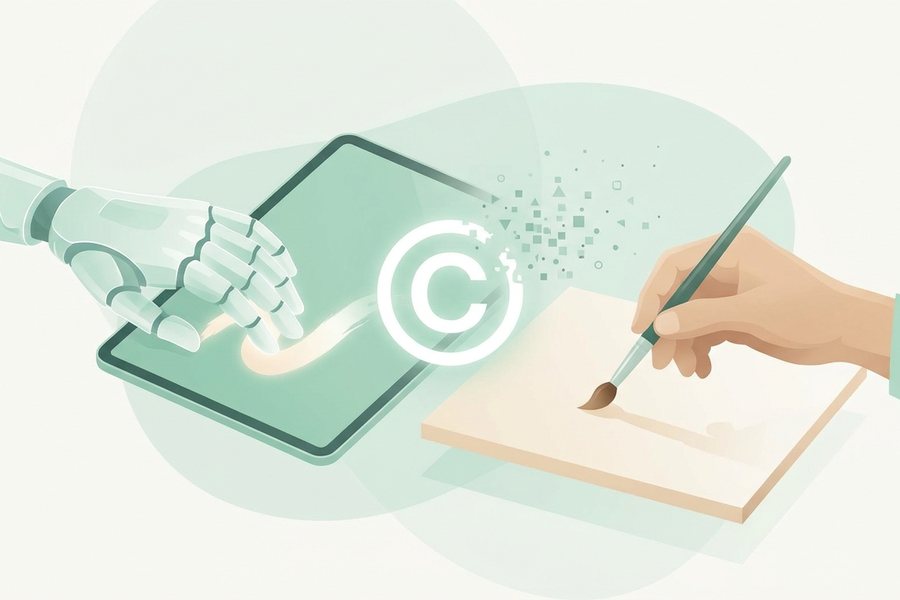
In some countries, an image made by a machine with little human input may not get copyright protection at all. In others, real creative choices by a person can earn protection. Because the law varies and keeps changing, treat each image with care and keep notes on how you made it.
Why the answer varies
Copyright usually protects works made by people. The tricky question with AI is how much human input counts as "creative" enough to earn that protection.
A bare prompt like "a cat in a hat" may not be seen as enough on its own in some places. But heavy editing, careful curation across many tries, and detailed direction can shift the picture. Different courts and offices weigh these factors in different ways, so the same image could be treated one way in one country and another way somewhere else.
It also helps to understand what AI image generation is at a basic level, since the way these tools build an image affects how the law looks at the result.
What human input can change
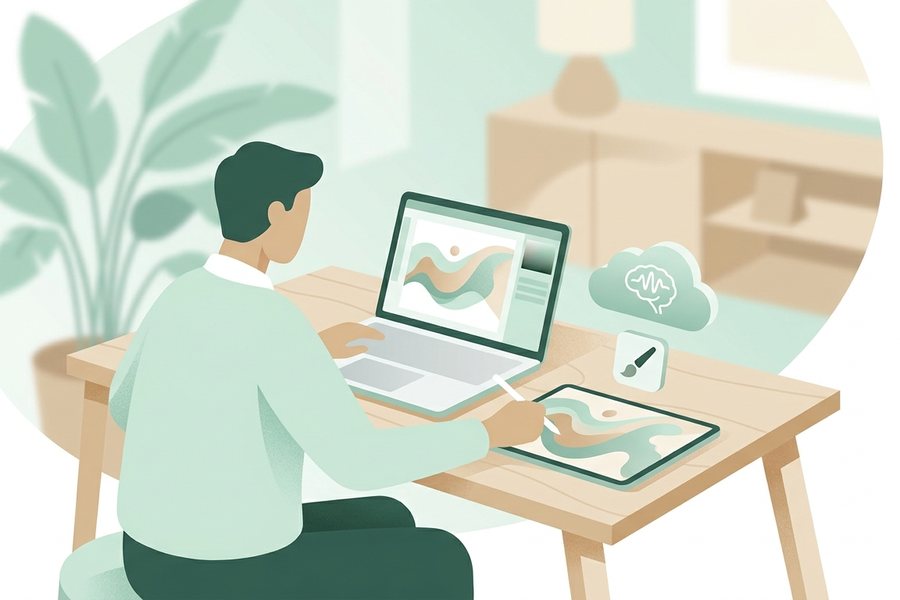
The more a person shapes the work, the stronger the case for protection tends to be. Small tweaks rarely count, but real creative decisions can add up.
Here are common factors that can matter:
| Factor | Lower chance of protection | Higher chance of protection |
|---|---|---|
| Prompt effort | One short prompt | Detailed, refined direction |
| Editing | No edits at all | Strong manual edits and retouching |
| Selection | First image kept | Careful choice across many versions |
| Arrangement | Single image alone | Combined into a larger original layout |
| Record keeping | No notes | Clear records of your process |
None of these guarantee protection. They are signs that may help a person argue their creative role was real.
Tool terms still apply
Even when copyright is unclear, the rules of the tool you used still matter. Most services spell out what you can and cannot do with the images you make.
Before you publish or sell anything, read the terms and check whether the license allows your plan. If you intend to earn money, our notes on using AI images commercially cover the extra checks worth making. Safe habits also reduce risk, and our AI image safety guide explains how to avoid common problems.
Practical caution
Because the law is unsettled, plan for some uncertainty. Do not assume you fully own every AI image, and do not assume it is free for anyone to take either.
Avoid prompts that copy real people, living artists by name, brand logos, or known characters, since those can raise separate legal issues no matter who owns the output. Keep your process simple to explain, and save the steps that led to each picture. You can practice these habits with any AI image generator while you learn.
Checklist
- Read the tool's terms before you publish or sell
- Save your prompts, edits, and chosen versions
- Note how much you shaped each final image
- Avoid copying real people, artists, brands, or characters
- Check the rules in your own country, not just the default
- Ask a lawyer when money or legal risk is high
- Do not assume full ownership without checking
Example scenarios
Here are two short cases that show how human input can change the picture. The notes below each one describe what a person did.
Case A: Light touch
- Typed one short prompt
- Kept the first result with no edits
- Used it as a quick social post
Notes: Little human input, so protection may be weak in some places.

Case B: Heavy involvement
- Wrote a detailed prompt and refined it many times
- Picked one image from dozens of tries
- Edited colors, removed objects, and combined it into a poster
Notes: Stronger creative role, which may help, though it is not a guarantee.
These are simple illustrations, not predictions about your situation.
FAQ
Do I automatically own an AI image I create?
Not always. Ownership and protection depend on your country and your level of input, so you cannot assume full rights without checking the rules and the tool's terms.
Does adding a longer prompt make an image copyrighted?
A longer prompt alone may not be enough in some places. Real editing, selection, and arrangement tend to carry more weight than prompt length by itself.
Can someone else copy my AI image freely?
Maybe, if it lacks protection where you are. That is one reason to keep records and read your tool's terms, since both can affect what others may do.
Is this the same in every country?
No. Rules differ widely and continue to change, so an image treated one way in one country may be treated differently in another.
This guide is general information to help you create better images. For rights and commercial questions, read the copyright and image rights notes.