Can You Use AI Images Commercially?
You often can use AI images commercially, but you must check the tool's terms and avoid copying living artists or brands first.
On this page
Many people want to use AI images in ads, products, and packaging. In many cases you can, but only after a few checks that protect you and your business.
This is general information, not legal advice. For high stakes use, confirm the details with a qualified lawyer.
Quick answer
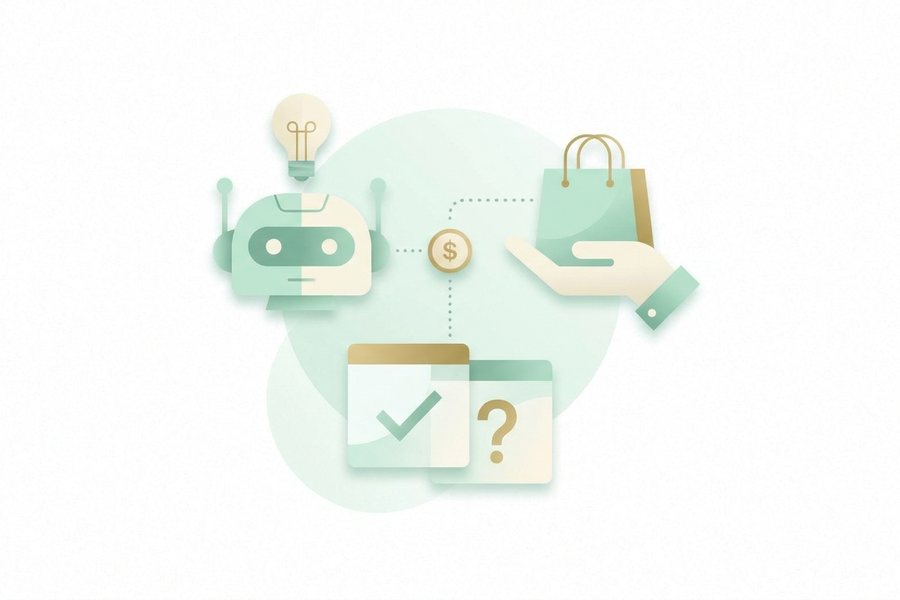
You can often use AI images for commercial work if the tool's license allows it and your image does not copy protected material. The key steps are to read the terms, avoid imitating living artists or brands, and keep records of how you made each image. When the risk is high, get legal advice before you publish.
Read the tool's terms first
Every service sets its own rules. Some allow full commercial use, some limit it to paid plans, and some restrict certain uses entirely.
Look for clear answers to a few questions before you build anything around an image. Knowing are AI generated images copyrighted also helps you understand what the license can and cannot give you.
| Question | Why it matters |
|---|---|
| Is commercial use allowed? | Confirms you can sell or advertise with it |
| Does the plan tier matter? | Some rights only apply to paid accounts |
| Are there banned uses? | Avoids breaking the agreement |
| Can you edit and resell? | Affects products like prints or merch |
| Who is responsible for misuse? | Shows where the risk sits |
If the terms are unclear, ask the provider directly and save their reply.
Avoid copying people, artists, and brands
A friendly license does not erase other people's rights. You can still cause problems by copying things the tool's terms do not cover.
Steer clear of prompts that name living artists to mimic their exact style, real people's faces, brand logos, slogans, and known characters. These can raise issues separate from who owns the AI output. Following our AI image safety guide helps you spot risky requests before they become a problem.
Common commercial uses
Plenty of everyday business tasks are a good fit for AI images, especially early drafts and concepts. Just keep the checks above in mind.
People often use AI images for social ads, blog headers, mockups, and store listings. For online shops, AI product photos can speed up early concepts before a real shoot, and a product photo generator makes it easy to test clean backgrounds and angles.
Keep records
Good records make your work easier to defend if anyone asks. They also help you reuse what worked.
For each image you use commercially, save the prompt, the date, the tool and plan, and any edits you made. Keep a copy of the license terms that were active when you created the image, since terms can change over time. A simple folder or spreadsheet is enough to stay organized.
Checklist
- Confirm the tool allows commercial use on your plan
- Read any banned uses in the terms
- Avoid copying living artists, real faces, and brands
- Save the prompt, date, tool, and edits for each image
- Keep a copy of the license terms you relied on
- Check rules in the countries where you will sell
- Ask a lawyer when stakes or risk are high
Example scenarios
Here are two short cases that show the checks in action. The notes explain why each result is safer or riskier.
Scenario 1: Safe path
- Tool license allows commercial use on the paid plan
- Prompt: "minimal ceramic mug on a soft beige background, studio light"
- No real people, brands, or artist names used
- Saved prompt, date, and license terms
Notes: Lower risk, since the license fits and nothing protected was copied.

Scenario 2: Risky path
- Prompt: "product photo in the style of a famous living photographer"
- Image used in a paid ad campaign
- No records kept
Notes: Higher risk, since it imitates a named living artist and has no record trail.
Aim for the first pattern and treat the second as a warning sign.
FAQ
Is a friendly license enough to be safe?
Not by itself. A license tells you what the tool allows, but you still must avoid copying real people, brands, or protected characters that the terms do not cover.
Can I put AI images on products I sell?
Often yes, if the license permits resale and editing. Read the terms closely, since some plans allow it and others do not.
Do I need records if I only run a small shop?
Yes. Even small sellers benefit from saving prompts, dates, and license terms, since records make any future question much easier to answer.
What if the rules differ where my customers live?
Check the rules in those places too. Commercial use can be treated differently across countries, so do not rely only on your home rules.
This guide is general information to help you create better images. For rights and commercial questions, read the copyright and image rights notes.